
If you’ve ever filed a roof insurance claim and gotten a denial letter back, you know the sinking feeling that comes with it. You’re staring at storm damage, a leak that’s getting worse by the week, or a roof that’s clearly seen better days and your insurance company is telling you it’s not their problem.
Here’s the good news: a denial isn’t always the final word. Many roof insurance claims get denied for reasons that have nothing to do with whether the damage is real, and everything to do with paperwork, timing, or how the claim was documented. Once you understand why claims get denied in the first place, you’re in a much stronger position to avoid it or fight back if it already happened.
In this guide, we’ll walk through the most common reasons Florida homeowners get denied, what you can do before and after filing a claim, and how working with the right roofing contractor can make the difference between a denied claim and an approved one.
Common Reasons Roof Insurance Claims Get Denied
Insurance companies look for specific triggers when reviewing a roof claim. Knowing what they’re looking for helps you understand where things tend to go wrong.
1. The Damage Is Classified as “Wear and Tear”
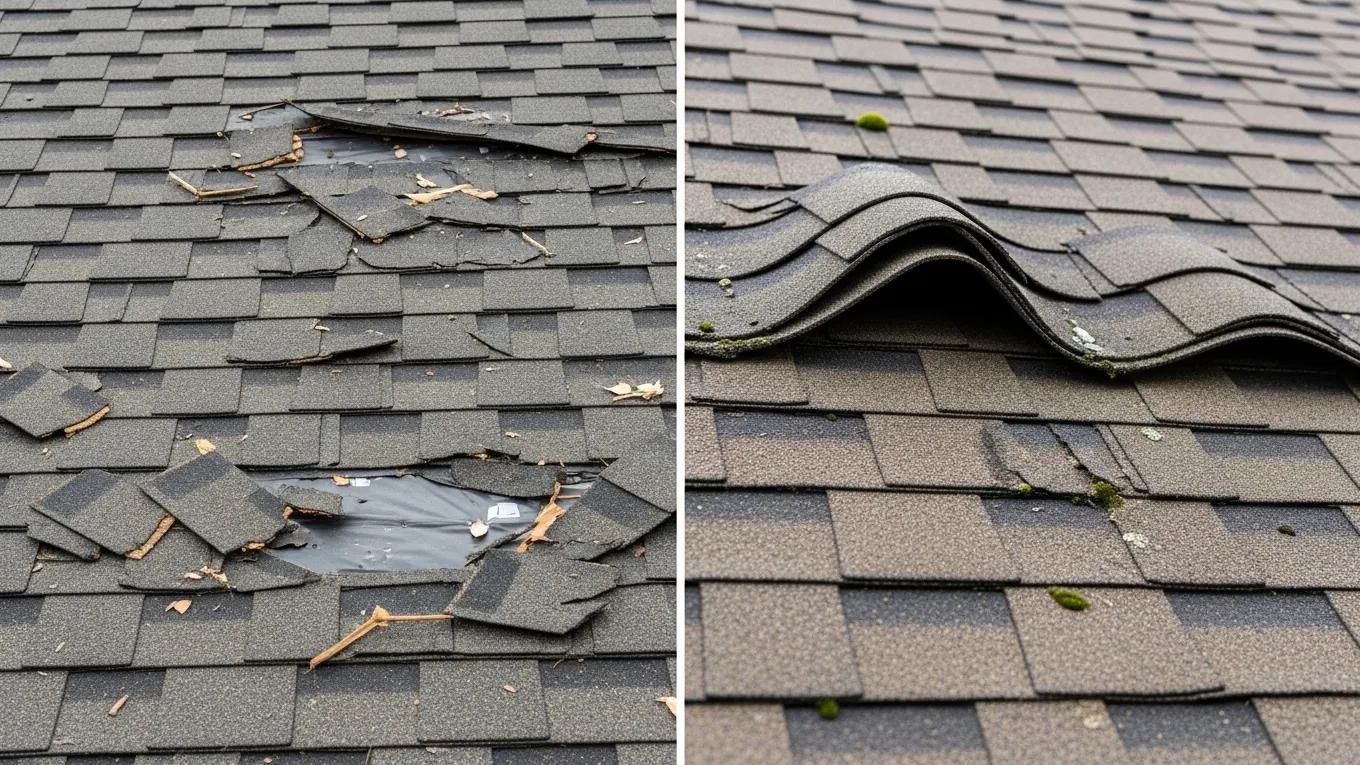
This is, by far, the most common reason for denial. Insurance policies typically cover sudden, accidental damage like a tree limb crashing through your roof during a storm but not damage that built up gradually over years, like aging shingles or a roof simply reaching the end of its lifespan.
The tricky part is that storm damage and wear-and-tear damage can look similar to an untrained eye. A missing shingle from a storm two months ago can look a lot like a shingle that just deteriorated over time. This is exactly why a professional roof inspection matters an experienced roofer can document the difference in a way that supports your claim instead of undermining it.
2. The Claim Was Filed Too Late
Most insurance policies have a window for filing a claim after a storm or damage event often within one year in Florida, though this varies by policy. If you wait too long to report damage, even legitimate storm damage, insurers can deny the claim simply because it wasn’t filed within the required timeframe.
If you suspect storm damage, don’t wait to “see if it gets worse.” File the claim and get an inspection scheduled as soon as possible.
3. Lack of Proper Documentation
Insurance adjusters rely heavily on evidence. If there aren’t clear photos, a detailed inspection report, or a paper trail showing when the damage occurred and what caused it, the adjuster has little to work with and little reason to approve the claim.
This is one of the biggest advantages of working with a roofing company that documents everything from day one, rather than trying to piece together evidence after the fact.
4. Pre-Existing Damage or Poor Maintenance
If an insurance company can show that a roof was already in poor condition before the storm, or that regular maintenance was neglected, they may argue the damage isn’t storm-related at all. This is why routine roof inspections aren’t just about catching problems early — they also create a documented history of your roof’s condition over time, which can protect you if you ever need to file a claim. Programs like FORTIFIED Roof Florida can also strengthen your position, since a certified roof demonstrates a documented, higher standard of construction and maintenance to insurers.

5. Discrepancies Between the Homeowner’s Report and the Adjuster’s Findings
Sometimes a claim gets denied simply because what the homeowner describes doesn’t match what the insurance adjuster sees during their inspection. This can happen when a homeowner doesn’t have a professional assessment done beforehand and isn’t able to point to specific, documented damage.
How to Avoid a Denied Roof Insurance Claim
The good news is that most of these denial reasons are preventable with the right steps.
Get a Professional Inspection Before You File
A licensed roofing contractor can identify and document storm-related damage in a way that clearly separates it from general wear and tear. This inspection report becomes a key piece of evidence when your claim is reviewed. A wind mitigation inspection is also worth having on file, since it documents your roof’s storm resistance and can directly affect both your claim eligibility and your insurance premium.
Take Photos Immediately After Any Storm
As soon as it’s safe to do so, photograph any visible damage missing shingles, dented gutters, debris, or leaks. Timestamped photos taken close to the storm event strengthen your case significantly.
File Promptly
Don’t sit on suspected damage. File your claim as soon as possible after a storm, even if the damage looks minor. Adjusters are more likely to approve claims tied to a clear, recent event rather than damage reported months later.
Keep a Maintenance History
Routine inspections and documented repairs over the years show that your roof was properly maintained, which removes one of the easiest excuses an insurer has for denying a claim.
Work With a Contractor Who Understands the Insurance Process
This is where having the right roofing partner makes a real difference. A contractor experienced in insurance claims can help you understand what adjusters are looking for, provide detailed reports that support your case, and in some situations, meet with the adjuster directly to walk through the damage.
What to Do If Your Roof Claim Is Already Denied
A denial letter doesn’t have to be the end of the process. Here’s what you can do next:
- Request the specific reason for denial in writing. Insurance companies are required to provide this, and it tells you exactly what you’re up against.
- Get a second, independent inspection. A fresh set of eyes ideally from a roofing contractor experienced with insurance disputes can sometimes catch documentation the original adjuster missed.
- File an appeal. Most policies allow for an appeal process. This is where a detailed, professional inspection report becomes essential.
- Consider a public adjuster for complex cases. If the claim is significant and the dispute is ongoing, a public adjuster works on your behalf (rather than the insurance company’s) to help build your case.
Once your claim is approved, the next step depends on the extent of the damage. Isolated issues like a section of missing shingles or a localized leak are often resolved with roof repair, while widespread or structural damage typically calls for a full roof replacement.
Why Local Expertise Matters in Florida
Florida homeowners deal with a unique set of challenges hurricanes, tropical storms, intense UV exposure, and insurance companies that see a high volume of storm-related claims every single season. That volume means adjusters are often moving quickly, and claims without strong documentation can get denied simply because they didn’t stand out as clear-cut.
Working with a local roofing contractor who understands Central Florida’s storm patterns, insurance requirements, and documentation standards puts you in a stronger position from the very first inspection.
Frequently Asked Questions
Can a denied roof insurance claim be appealed?
Yes. Most insurance policies include an appeal process. You’ll typically need to request the denial reason in writing, then submit additional documentation — such as a new inspection report — to support your case.
How long do I have to file a roof insurance claim in Florida?
This varies by policy, but many Florida insurers require claims to be filed within one year of the damage occurring. Check your specific policy for exact timelines, and don’t wait if you suspect storm damage.
Will my insurance company automatically cover roof replacement after a storm?
Not automatically. Coverage depends on your specific policy, the cause of damage, and whether the damage is classified as storm-related versus general wear and tear. A professional inspection helps establish which category your damage falls into.
Does a roof inspection help even if I haven’t had storm damage?
Yes. Regular inspections create a documented maintenance history, which can protect you if you ever need to file a claim in the future. It also helps catch small issues before they become costly repairs.
Should I get a second opinion if my claim was denied?
It’s often worth it, especially if the first inspection wasn’t done by a roofing professional experienced with insurance claims. A second, more thorough inspection can sometimes reveal documentation that supports an appeal.
Get Expert Help With Your Roof Insurance Claim
Dealing with a denied roof insurance claim is frustrating, especially when you know the damage is real. At Central Florida Equity Builders, we’ve helped homeowners throughout Oviedo, Orlando, and Central Florida navigate the insurance process from documenting storm damage properly the first time, to supporting appeals when claims get denied.
If you’re dealing with roof damage and aren’t sure where you stand with your insurance company, reach out to our team for a professional inspection and honest guidance on your options.